
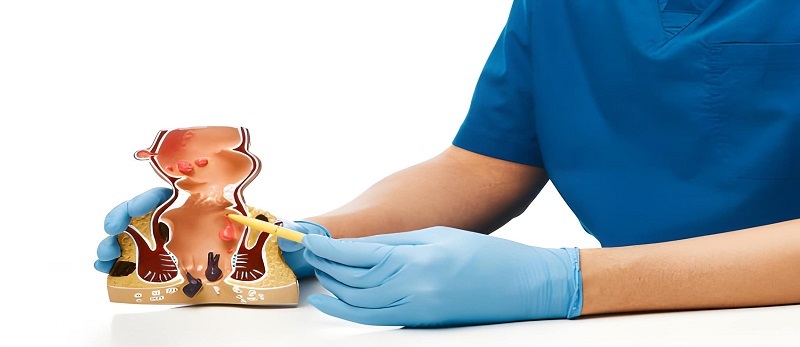
Best Fissure & Fistula Treatment in Sakinaka, Andheri
Dr. Atiq Shaikh completed his MBBS from ACPM Medical College, Dhule, followed by DNB in General Surgery from Care Hospital, Hyderabad, and further specialized training through a Fellowship in Advanced Laparoscopic Surgery (FALS) along with expertise in GI and HPB surgery. With over 8 years of surgical experience, he has successfully treated numerous patients suffering from fissure, fistula, piles, and other colorectal disorders. His treatment approach focuses on accurate diagnosis, pain relief, and minimally invasive procedures such as laser surgery when required,His treatment approach focuses on accurate diagnosis, symptom relief, and minimally invasive procedures when appropriate, with treatment plans tailored to the patient's condition and recovery needs. Best fissure and fistula treatment in Sakinaka, Andheri East, Mumbai,
What is Fissure & Fistula Treatment?
Fissure and fistula treatment involves the diagnosis and management of conditions affecting the anus and surrounding area. These conditions may cause pain, discomfort, bleeding, discharge, or difficulty during bowel movements and should be evaluated when symptoms persist or recur.
An anal fissure is a small tear in the lining of the anus. It can expose the underlying anal sphincter and cause muscle spasm, which may increase pain and interfere with healing. People may experience pain during or after bowel movements, constipation, or bright-red blood on the stool or toilet tissue.
An anal fistula is a small abnormal tunnel that forms between an infected gland inside the anus and the skin nearby.An anal fistula commonly develops after an anal abscess. If it isn’t treated properly this passage keeps irritating the area, leading to ongoing pain, swelling, discharge, and recurring infections, even after it seems like it improved.
Symptoms of Anal Fistula
- Frequent anal abscesses
- Pain and swelling around the anus
- Bloody or foul-smelling drainage (pus) from an opening around the anus. The pain may decrease after the fistula drains.
- Irritation of the skin around the anus from drainage
- Pain with bowel movements
- Fever, chills, and a general feeling of fatigue
Who Is at Risk of Developing an Anal Fistula?
An anal fistula commonly develops after an anal abscess. Certain inflammatory, infectious, or other conditions affecting the anal or intestinal area may also increase the risk.
- Previous history of anal abscess or fistula
- Crohn disease
- Ulcerative colitis
- Trauma
- Previous surgery or radiation therapy
- Cancer
- Certain infections, including HIV and tuberculosis
What Is the Difference Between an Anal Fissure and Fistula?
An anal fissure is a small tear in the lining of the anus, usually causing pain and bright-red bleeding during or after bowel movements. An anal fistula is an abnormal tunnel between the anal canal or rectum and the nearby skin, often developing after an anal abscess. Fistulas may cause recurring swelling, pain, or discharge.
Diagnosis of Anal Fistula
Your doctor can usually diagnose an anal fistula by examining the area around the anus. He or she will look for an opening (the fistula tract) on the skin. The doctor will then try to determine how deep the tract is, and the direction in which it is going. In many cases, there will be drainage from the external opening.
Some fistulas may not be visible on the skin's surface. In this case, your physician may need to perform additional tests:
- An anoscopy is a procedure in which a special instrument is used to see inside your anus and rectum.
- Your physician may also order an ultrasound or MRI of the anal area to get a better view of the fistula tract.
- Sometimes your surgeon will need to examine you in the operating room (called exam under anesthesia) to diagnose the fistula.
When Is Surgery Needed for an Anal Fissure?
Treatment for an anal fissure depends on whether the fissure is acute or chronic and on the severity of symptoms. Many acute fissures improve with measures that help keep stools soft and reduce strain during bowel movements. Your doctor may recommend dietary changes, adequate fluid intake, fiber, medicines, and other supportive measures based on your condition.
If a chronic fissure does not improve with conservative treatment, additional treatment may be considered. In selected patients, lateral internal sphincterotomy (LIS) may be recommended to reduce anal sphincter spasm and support healing. The appropriate treatment is determined after clinical evaluation.
Can Anal Fistula Be Prevented?
Some measures may help reduce complications associated with anal fistula, including:
- Carefully cleaning and treating anal/rectal wounds
- Managing certain health conditions
What are the signs and symptoms of anal fissures? Are they painful?
Signs and symptoms of an anal fissure include:
- Pain during, and even hours after, a bowel movement
- Constipation
- Blood on the outside surface of the stool
- Blood on toilet tissue or wipes
- A visible crack or tear in the anus or anal canal
- Discomfort when urinating, frequent urination, or inability to urinate
Why Choose Dr. Atiq Shaikh?
Dr. Atiq Shaikh provides evaluation and Best treatment for fissure, fistula, piles, and other anorectal conditions in Sakinaka, Andheri East, Mumbai. With over 8 years of surgical experience and training in advanced laparoscopic surgery, he focuses on accurate diagnosis, appropriate treatment planning, and minimally invasive approaches when suitable for the patient's condition.
Conclusion
If you are experiencing persistent anal pain, bleeding, swelling, or discharge, consult a qualified surgeon for proper evaluation. Dr. Atiq Shaikh provides diagnosis and Best Fissure & Fistula Treatment in Sakinaka, Andheri. For consultation, call 07738419194 today.
Frequently Asked Questions (FAQs)
Q.1. Where can I get fissure and fistula treatment in Sakinaka, Andheri?
Ans- Dr. Atiq Shaikh provides evaluation and treatment for anal fissures, fistulas, piles, and other anorectal conditions in Sakinaka, Andheri East, Mumbai. Treatment is selected based on the patient's symptoms, examination, and condition.
Q.2. What is an anal fissure and what symptoms can it cause?
Ans- An anal fissure is a small tear in the lining of the anus. It commonly causes sharp pain during or after bowel movements, burning discomfort, and bright-red bleeding that may appear on the stool or toilet paper.
Q.3. What is an anal fistula and how does it develop?
Ans- An anal fistula is an abnormal passage between the inside of the anus or rectum and the nearby skin. It commonly develops after an anal abscess and may cause recurring swelling, pain, pus-like discharge, or irritation around the anus.
Q.4. What are the common causes of fissures and fistulas?
Ans- Fissures can develop due to constipation, hard stools, straining during bowel movements, or repeated irritation of the anal area. Fistulas commonly develop following an anal abscess, although other underlying conditions may also contribute.
Q.5. Are anal fissures and fistulas serious conditions?
Ans- They may become persistent or recurrent if left untreated. A fissure can become chronic, while a fistula may cause repeated infection, discharge, or abscess formation. A medical evaluation can help determine the appropriate treatment.
Q.6. Can an anal fissure heal without surgery?
Ans- Many acute anal fissures improve with conservative treatment such as dietary changes, adequate fluid intake, medicines, and measures that help prevent constipation. Chronic or persistent fissures may require additional treatment after evaluation by a doctor.
Q.7. Does an anal fistula always require surgery?
Ans- Many anal fistulas require a procedure or surgery because the abnormal tract usually does not heal completely on its own. The appropriate treatment depends on the fistula's location, complexity, and involvement of the anal sphincter.
Q.8. Is laser treatment suitable for fissure or fistula?
Ans- Laser or other minimally invasive techniques may be considered for selected patients. Suitability depends on the type and complexity of the condition, so the treatment approach should be decided after a proper clinical evaluation.
Q.9. How long does recovery take after fissure or fistula treatment?
Ans- Recovery varies depending on the condition, treatment method, and individual healing. Some patients may resume normal activities within a few days, while more complex procedures may require several weeks of recovery.
Q.10. When should I consult a doctor for fissure or fistula symptoms?
Ans- You should seek medical evaluation if you have persistent anal pain, bleeding during bowel movements, swelling, a lump, recurring abscesses, or discharge near the anus. Early assessment can help identify the cause and appropriate treatment.