
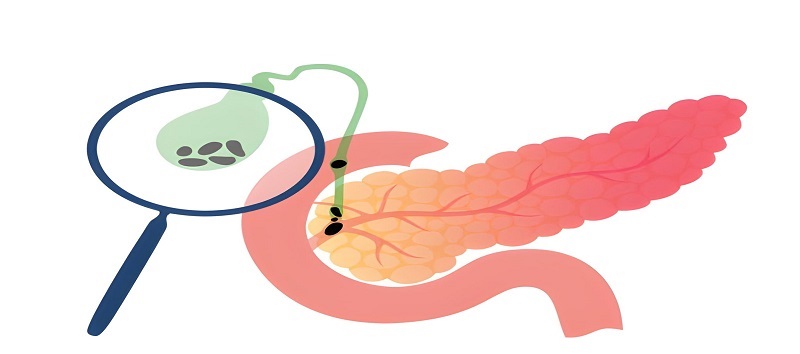
Best Gallbladder Stone Treatment in Sakinaka, Andheri
Dr. Atiq Shaikh provides gallbladder stone evaluation and Best Gallbladder Stone Treatment in Sakinaka, Andheri, Mumbai, with a focus on laparoscopic gallbladder surgery, also known as cholecystectomy, when clinically appropriate. The gallbladder is a small organ located beneath the liver that stores bile, which helps digest fats. Gallstones can form when substances in bile become imbalanced. While some people may have no symptoms, others can experience abdominal pain, nausea, vomiting, bloating, or other symptoms that require medical evaluation.
He completed MBBS from ACPM Medical College, Dhule, and later did DNB in General Surgery from Care Hospital, Hyderabad. Following that, he finished a Fellowship in Advanced Laparoscopic Surgery (FALS) with special interest and hands on experience in GI & HPB surgery. With over 8 years of surgical experience, Dr. Shaikh provides laparoscopic gallbladder surgery with an emphasis on appropriate patient selection, surgical safety, and individualized treatment planning.
Laparoscopic surgery uses small incisions and may offer less postoperative discomfort and a faster recovery compared with traditional open surgery in appropriate patients.
What are Gallstones (Cholelithiasis)?
Gallstones are hardened deposits that form inside the gallbladder when substances in bile become imbalanced. They may vary in size and can occur as a single stone or multiple stones.
Gallstones can range from very small particles to larger stones. A person may have a single gallstone or multiple stones, and symptoms can vary depending on their location and effect on bile flow.
Types of Gallstones
1. Cholesterol Gallstones -
Cholesterol stones are the most common type of gallstone and may develop when bile contains excess cholesterol.
- Obesity
- High-fat, low-fiber diets
- Pregnancy
- Diabetes
- Family history
- Hormone therapy or birth control use (common in women)
2. Pigment Gallstones -
These stones are mostly made of bilirubin, which is a substance that forms when red blood cells get broken down. They tend to look dark brown or black in color and you’ll see them more often in people who have, generally:
- Chronic liver disease
- Blood disorders like sickle cell anemia
- Biliary tract infections
Both types of gallstones can block bile ducts, leading to inflammation, infection, or severe pain that may require gallbladder stone surgery in Sakinaka, Andheri for effective treatment.
Symptoms of Gallbladder Stones
- Intense Abdominal Pain
- Nausea and Vomiting
- Indigestion and Bloating
- Back or Shoulder Pain
- Jaundice
- Fever and Chills
Causes
- High cholesterol in bile leading to stone formation
- Excess bilirubin due to liver or blood disorders
- Poor gallbladder emptying or bile stasis
- Obesity and overweight condition
- Rapid weight loss or crash dieting
- High-fat, low-fiber diet habits
- Diabetes and metabolic syndrome
Treatment Options for Gallbladder Stones
The management of gallstones depends largely on the severity of symptoms, the location of the stones, and whether complications are present. Some people with asymptomatic gallstones may not require treatment, while symptomatic or complicated gallstones may require medical, endoscopic, or surgical management.
Here are some treatment options that may be considered depending on the patient's condition:
1. Cholecystectomy - Laparoscopic cholecystectomy is a commonly performed treatment for symptomatic gallstones. During the procedure, the gallbladder is removed through small incisions using minimally invasive surgical techniques. Recovery may be faster compared with open surgery in appropriate patients.
2. Radical Cholecystectomy - Radical cholecystectomy is an extensive surgical procedure generally performed when gallbladder cancer or suspected malignancy requires removal of the gallbladder along with surrounding tissues. It is not a routine treatment for uncomplicated gallstones.
3. CBD Exploration - When stones are present in the common bile duct (CBD), treatment may be required to clear the duct and restore bile flow. Depending on the patient's condition, this may involve endoscopic treatment such as ERCP or surgical common bile duct exploration.
4. Bile Duct Reconstruction with Hepaticojejunostomy - In selected complex cases involving bile duct injury, narrowing, or other structural problems, hepaticojejunostomy may be considered to bypass the affected area and help restore bile drainage. The appropriate surgical approach depends on the underlying condition.
5. Choledochal Cyst Removal with Hepatico-Jejunostomy - Choledochal cysts are abnormal dilatations of the bile ducts that may require surgical treatment in selected patients. When indicated, cyst removal may be combined with biliary reconstruction using a hepaticojejunostomy.
6. CBD Stricture Management with Hepaticojejunostomy - A common bile duct (CBD) stricture is a narrowing of the bile duct that can interfere with normal bile flow. In selected complex cases, hepaticojejunostomy may be considered to bypass the narrowed portion and restore bile drainage. Treatment depends on the cause and severity of the stricture.
Why Choose Dr. Atiq Shaikh?
Dr. Atiq Shaikh provides gallbladder stone evaluation and Best Gallbladder Stone Treatment in Sakinaka, Andheri, With 8+ years of surgical experience, he is trained in laparoscopic surgery and has completed MBBS, DNB in General Surgery, and Fellowship in Advanced Laparoscopic Surgery (FALS). He focuses on appropriate treatment planning, surgical safety, minimally invasive techniques, and individualized patient care.
Conclusion
Gallbladder Stone Treatment in Sakinaka, Andheri is available with laparoscopic surgical techniques when surgery is clinically appropriate. Laparoscopic cholecystectomy may offer the benefits of smaller incisions and faster recovery compared with open surgery in suitable patients. Dr. Atiq Shaikh provides evaluation and individualized treatment planning for gallbladder stone patients. For consultation, call 07738419194
Frequently Asked Questions (FAQs)
Q.1. Is gallbladder surgery safe?
Ans- Laparoscopic cholecystectomy is a commonly performed procedure, and recovery is generally faster than with open surgery. As with any surgery, potential risks should be discussed with the surgeon.
Q.2. Where can I get gallbladder stone treatment in Sakinaka, Andheri?
Ans- Dr. Atiq Shaikh provides evaluation and treatment for gallbladder stones in Sakinaka, Andheri East, Mumbai. Depending on the patient's condition, treatment may include medical management or laparoscopic gallbladder surgery when clinically appropriate.
Q.3. Can I live a normal life after gallbladder removal?
Ans- Yes, most people can return to a normal daily routine after gallbladder removal. Your surgeon may provide temporary dietary and activity recommendations during recovery.
Q.4.Can I live with gallstones?
Ans- Some small gallstones may not cause symptoms, but symptomatic gallstones should be treated to avoid complications.
Q.5. What size gallstones can cause problems?
Ans- Gallstone size alone does not determine whether treatment is needed. Even small stones can cause problems if they block the bile ducts, while larger stones may also cause symptoms. Treatment depends on symptoms, complications, and clinical findings.
Q.6.What is the average age to get gallstones?
Ans- Gallstones are more common in adults over 30–40 years, but can occur at any age depending on risk factors.
Q.7.Is laparoscopic surgery painful?
Ans- It causes minimal pain compared to open surgery, and most patients recover quickly.
Q.8. How long is the hospital stay after gallbladder surgery?
Ans- Hospital stay varies depending on the patient's condition and the type of surgery. Some patients may go home the same day, while others may stay for 24–48 hours or longer when additional monitoring is required.
Q.9. Can gallstones come back after gallbladder surgery?
Ans- Gallstones cannot form in a gallbladder that has been removed. However, stones can occasionally be present in or develop within the bile ducts. If symptoms such as abdominal pain, jaundice, or digestive discomfort continue after surgery, medical evaluation is recommended.