
Best Laparoscopic Surgeon in Sakinaka, Andheri
Dr. Atiq Shaikh provides laparoscopic and minimally invasive surgical care Best Laparoscopic Surgeon in Sakinaka, Andheri, Mumbai, . He performs selected laparoscopic procedures, including hernia repair, gallbladder surgery, appendectomy and gastrointestinal surgeries. The appropriate surgical approach is recommended based on the patient's condition, medical history and suitability for minimally invasive treatment.
For his education, he completed his MBBS from ACPM Medical College, Dhule and then pursued DNB in General Surgery from Care Hospital, Hyderabad. After that, he took a Fellowship in Advanced Laparoscopic Surgery (FALS) and also went for specialized training in GI and HPB surgery. He has 8+ years of surgical experience and he has 8+ years of surgical experience and has experience managing a range of routine, complex and emergency surgical cases.
Dr. Shaikh follows an individualised approach to surgical care, using laparoscopic techniques when they are clinically appropriate. He discusses the diagnosis, available treatment options and expected recovery with patients before recommending the most suitable surgical approach.
What is a Laparoscopic Surgeon ?
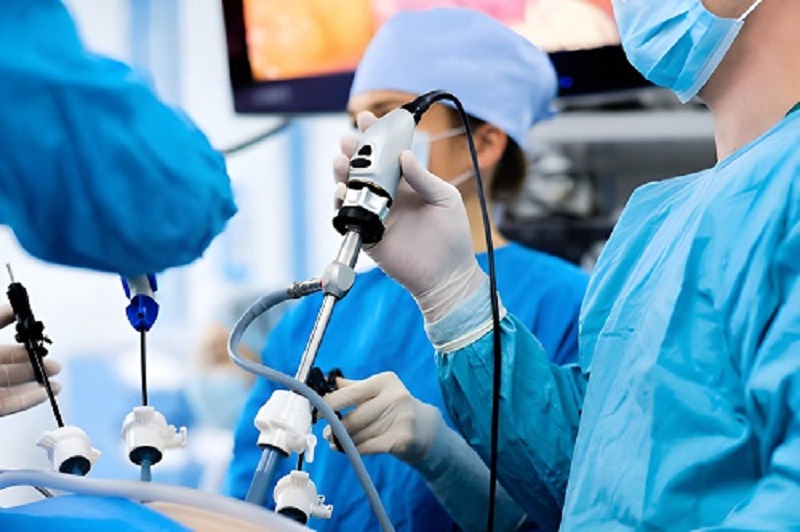
A laparoscopic surgeon performs surgical procedures using minimally invasive techniques. Instead of making one large incision, the surgeon makes small incisions through which a laparoscope and specialized surgical instruments are inserted. The camera provides a magnified view of the surgical area, allowing the surgeon to perform selected procedures through smaller incisions. Best Laparoscopic Surgeon in Sakinaka, Andheri, Mumbai
Laparoscopic surgery is commonly used for procedures such as gallbladder removal, hernia repair, appendectomy and selected gastrointestinal surgeries. Compared with some open surgical procedures, laparoscopic techniques may offer smaller incisions, reduced postoperative discomfort, shorter hospital stays and an earlier return to routine activities, depending on the procedure and individual recovery.
Understanding Laparoscopic Surgery
Laparoscopic surgery is a minimally invasive surgical technique performed through small incisions using a laparoscope and specialised surgical instruments. The laparoscope provides a magnified view of the surgical area, allowing the surgeon to perform selected procedures with precision.
At Dr. Atiq Shaikh's practice near Sakinaka Junction, Andheri East, Mumbai, laparoscopic techniques may be considered when they are clinically appropriate. The recommended surgical approach depends on the patient's diagnosis, medical history, overall health and the complexity of the condition.
Benefits of Laparoscopic Surgery
- Smaller Incisions & Minimal Scarring – Laparoscopic surgery uses smaller incisions than many open surgical procedures. This may result in smaller scars and less disruption to surrounding tissues.
- Reduced Postoperative Discomfort – Depending on the procedure, patients may experience less postoperative discomfort compared with some open surgical approaches.
- Shorter Hospital Stay – Some laparoscopic procedures may allow patients to leave the hospital sooner. However, the length of stay depends on the type and complexity of surgery and individual recovery.
- Earlier Return to Routine Activities – Depending on the procedure and recovery, patients may return to light daily activities earlier than after some open surgical procedures.
Common Applications of Laparoscopic Surgery
- Hernia Repair – Laparoscopic techniques may be used to repair selected inguinal, umbilical and incisional hernias. The appropriate surgical approach depends on the type, size and location of the hernia and the patient's overall health.
- Gallbladder Removal (Cholecystectomy) – Laparoscopic cholecystectomy is commonly performed for symptomatic gallstones and certain gallbladder conditions. The procedure involves removing the gallbladder through small incisions.
- Appendix Removal (Appendectomy) – Laparoscopic appendectomy may be used to treat appendicitis in suitable patients. The decision depends on the patient's condition and clinical assessment.
- Diagnostic Laparoscopy – Diagnostic laparoscopy may help evaluate certain unexplained abdominal or pelvic conditions when other diagnostic tests do not provide sufficient information.
How Does the Laparoscopic Surgical Process Work?
- Preparation & Anaesthesia – Before surgery, the surgeon reviews the patient's medical history, investigations and overall health. Anaesthesia is administered according to the planned procedure to ensure appropriate comfort and monitoring during surgery.
- Minimally Invasive Access & Visualisation – Small incisions are made through which the laparoscope and specialised surgical instruments are inserted. The camera provides a magnified view of the surgical area to assist the surgeon during the procedure.
- Surgical Procedure & Closure – The required procedure is performed using specialised laparoscopic instruments. Once the surgery is completed, the instruments are removed and the small incisions are closed using appropriate sutures or other closure methods.
Why Choose Dr. Atiq Shaikh?
Dr. Atiq Shaikh is a best laparoscopic surgeon in Sakinaka, Andheri, Mumbai, with 8+ years of surgical experience in minimally invasive and general surgery. He manages conditions such as hernia, gallstones, appendicitis and selected gastrointestinal disorders, using laparoscopic techniques when clinically appropriate. His qualifications include MBBS, DNB (General Surgery) and FALS. He follows an individualised approach to treatment and discusses the diagnosis, available treatment options and expected recovery with patients before surgery.
Conclusion
Laparoscopic surgery is a minimally invasive approach used for selected abdominal and gastrointestinal conditions. It may offer benefits such as smaller incisions, reduced postoperative discomfort and an earlier return to routine activities, depending on the procedure and individual recovery. Dr. Atiq Shaikh provides laparoscopic and general surgical care in Sakinaka, Andheri East, Mumbai, with treatment recommendations based on each patient's condition and medical needs. To schedule a consultation, call 07738419194.
Frequently Asked Questions (FAQs)
Q.1. Is laparoscopic surgery safe?
Ans - Laparoscopic surgery is a commonly performed minimally invasive surgical approach and can be appropriate for many patients. However, like any surgical procedure, it carries potential risks. Its suitability depends on the type of procedure, medical history, overall health and individual condition.
Q.2. How long does recovery take after laparoscopic surgery?
Ans - Recovery depends on the type and complexity of surgery, overall health and individual healing. Some patients may resume light activities within a few days, while more complex procedures may require several weeks.
Q.3. Will there be visible scars after laparoscopic surgery?
Ans - Laparoscopic surgery involves small incisions, so the resulting scars are generally smaller than those associated with many open surgical procedures. Small scars usually remain at the incision sites and may become less noticeable as they heal.
Q.4. Is laparoscopic surgery painful?
Ans - Laparoscopic surgery may result in less postoperative discomfort than some open surgical procedures. However, pain levels vary depending on the type of surgery, individual pain tolerance and the recovery process.
Q.5. Who is a suitable candidate for laparoscopic surgery?
Ans - Patients with conditions such as gallstones, hernia, appendicitis and selected gastrointestinal disorders may be suitable candidates for laparoscopic surgery. The appropriate approach is determined after evaluating the patient's condition and medical history.
Q.6. What are the benefits of laparoscopic surgery?
Ans - Depending on the procedure, laparoscopic surgery may offer benefits such as smaller incisions, reduced scarring, less postoperative discomfort, shorter hospital stays and an earlier return to routine activities.
Q.7. How long does laparoscopic surgery take?
Ans - The duration of laparoscopic surgery varies according to the type and complexity of the procedure. Some procedures may take around 30 minutes, while more complex surgeries can take several hours.
Q.8. When can I return to normal activities after laparoscopic surgery?
Ans - The time required to return to normal activities depends on the type of surgery, overall health and individual recovery. Some patients may resume light activities within a few days, while strenuous activities may need to be avoided for a longer period.
Q.9. What conditions can be treated with laparoscopic surgery?
Ans - Laparoscopic techniques may be used for several conditions, including selected hernias, gallstones, appendicitis and certain gastrointestinal disorders. The suitability of laparoscopic surgery depends on the patient's specific condition and clinical evaluation.
Q.10. Is laparoscopic surgery suitable for everyone?
Ans - Laparoscopic surgery is not suitable for every patient or every medical condition. The choice between laparoscopic and open surgery depends on factors such as the type and severity of the condition, previous surgeries, medical history and overall health.